Source Zip Up Hoodie for Gym, Work, and Casual Wear
Explore 30 verified zip up hoodie options from Guangzhou suppliers. Buyers can compare customization features, fabric blends, and MOQs to find suitable bulk apparel for gyms, work, and casual wear; compare the available evidence and request quotations based on your requirements.
Key considerations
Products List


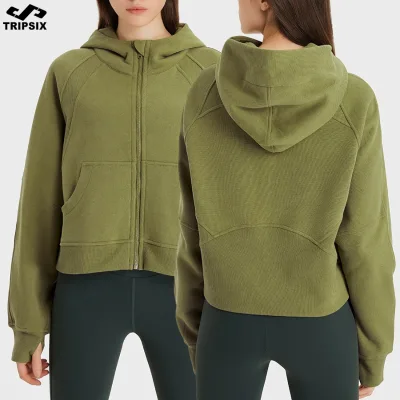


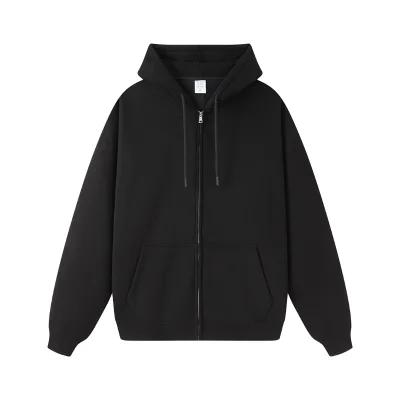


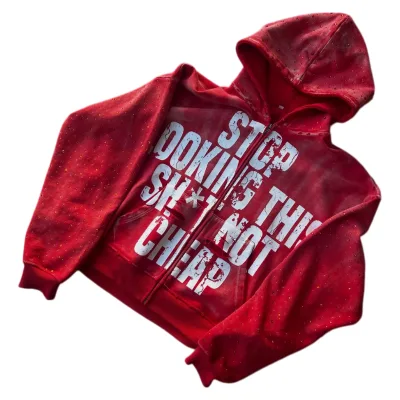



Comprehensive Sourcing Guide
Zip Up Hoodie Sourcing Guide
Sourcing zip-up hoodies requires a clear understanding of the diverse manufacturing landscape, where products range from basic in-stock items to fully customized apparel. Buyers must navigate a wide array of material compositions, including pure cotton, polyester blends, and specific ratios like 70% cotton with 30% polyester, to meet distinct performance needs. The market offers significant flexibility in customization, allowing for tailored logos, tags, labels, and packaging solutions that align with specific brand identities. This variability means that procurement strategies must be adaptable, focusing on verifying the exact fabric weight, fit style, and construction quality before committing to large orders.
The procurement process is further complicated by varying minimum order quantities and lead times, which can range from single-piece samples to bulk production runs of hundreds of units. Suppliers may offer different production models, such as ready-to-ship inventory or made-to-order services with specific sample lead times. Understanding these operational differences is crucial for aligning procurement timelines with business demands. Buyers should prioritize suppliers who provide transparent communication regarding their production capabilities, ensuring that the final product meets both aesthetic and functional requirements without unexpected delays or quality compromises.
Product Scope and Observed Listing Signals
The current market for zip-up hoodies exhibits a broad spectrum of product attributes, with solid colors like black, green, and light grey being prevalent options. Many listings highlight customization availability, offering services such as custom logos, tags, and hang tags to enhance brand visibility. Fabric choices vary significantly, with some products utilizing high-quality cotton or polyester blends, while others specify exact compositions like 70% cotton and 30% polyester. These material differences directly impact the garment’s breathability, eco-friendliness, and moisture-wicking properties, which are key selling points for active wear and casual apparel.
Packaging and presentation also play a vital role in the sourcing decision, with options ranging from individual poly-bag packaging to bulk carton bundling. Some suppliers provide detailed single-package dimensions and gross weights, which are essential for calculating shipping costs and storage requirements. The presence of features like kangaroo pockets, fixed hoods, and various sleeve lengths adds to the product’s versatility. Buyers should carefully review these observed signals to ensure that the selected hoodie aligns with their target market’s preferences, balancing aesthetic appeal with practical functionality and cost-efficiency.
Technical Specifications to Verify
Verifying technical specifications is critical to ensuring that the zip-up hoodies meet the intended use cases and quality standards. Buyers should confirm the exact fabric composition, weight, and fit style, such as slim, normal, or oversized, to guarantee comfort and durability. The presence of specific features like side pockets, kangaroo pockets, and fixed hoods should be validated against the product description to avoid discrepancies. Additionally, checking the model numbers and size ranges, including free sizes or standard measurements like S through XXL, helps in selecting the appropriate inventory for diverse customer bases.
It is also important to verify the packaging details, including the type of bags used and the carton dimensions, to ensure efficient logistics and storage. Suppliers may offer customized fabric weights and fitting options, which require clear communication to achieve the desired outcome. Buyers should request samples to assess the actual feel, stitch quality, and zipper functionality, as these elements significantly impact the final product’s perceived value. Confirming these technical details upfront prevents costly errors and ensures that the sourced hoodies align with the brand’s quality expectations and customer satisfaction goals.
Compliance and Safety Documentation
Compliance and safety documentation are essential components of the sourcing process, particularly when dealing with apparel that comes into direct contact with the skin. Buyers should verify that the materials used, such as cotton and polyester blends, meet relevant safety standards for textile products. This includes checking for restrictions on harmful substances and ensuring that dyes and finishes are safe for consumer use. Although specific certification statuses may vary, it is crucial to request documentation that confirms the product’s adherence to international safety regulations, protecting both the brand and the end consumer from potential health risks.
Additionally, buyers should ensure that the supplier provides clear information on the product’s origin and manufacturing practices. Transparency in the supply chain helps in assessing the ethical standards and environmental impact of the production process. While some listings mention eco-friendly features, buyers should seek concrete evidence or certifications that support these claims. By prioritizing suppliers who provide comprehensive compliance documentation, buyers can mitigate legal risks and enhance their brand’s reputation for responsible sourcing and manufacturing practices.
Cost Drivers and Commercial Terms
Cost drivers for zip-up hoodies include material quality, customization complexity, and order volume. Suppliers may offer different pricing tiers based on the minimum order quantity, which can range from single pieces to larger bulk orders. The choice of fabric, such as pure cotton versus polyester blends, significantly impacts the base cost, as does the level of customization required for logos, tags, and packaging. Buyers should negotiate clear commercial terms, including payment methods, shipping responsibilities, and return policies, to ensure a smooth transaction process.
Lead times are another critical factor, with some suppliers offering quick turnaround times for samples and others requiring longer periods for production. Understanding these timelines helps in planning inventory levels and meeting customer demand effectively. Buyers should also consider the total cost of ownership, including shipping, handling, and potential customs duties, to make informed financial decisions. By carefully evaluating these cost drivers and commercial terms, buyers can optimize their procurement strategy and achieve better value for their investment.
Supplier Qualification and Quality Control
Supplier qualification involves assessing the manufacturer’s capabilities, reputation, and quality control processes. Buyers should verify the supplier’s experience in producing zip-up hoodies and their ability to handle customization requests effectively. Checking for consistent quality in previous orders and reviewing customer feedback can provide insights into the supplier’s reliability. It is also important to evaluate their quality control measures, including inspections during production and final checks before shipment, to ensure that the products meet the specified standards.
Establishing a strong relationship with the supplier through clear communication and mutual expectations is key to long-term success. Buyers should request detailed information on the supplier’s production capacity, lead times, and flexibility in handling changes or urgent orders. By prioritizing suppliers with robust quality control systems and a track record of delivering high-quality products, buyers can minimize risks and ensure a consistent supply of zip-up hoodies that meet their brand’s standards.
Long-Term Procurement Checks
Long-term procurement checks involve continuous monitoring of supplier performance and product quality to ensure sustained success. Buyers should regularly review key performance indicators, such as on-time delivery rates, defect rates, and customer satisfaction scores, to assess the supplier’s reliability. It is also important to stay updated on market trends and consumer preferences, adjusting procurement strategies accordingly to remain competitive. By maintaining open communication with suppliers and fostering a collaborative relationship, buyers can address issues proactively and improve overall supply chain efficiency.
Additionally, buyers should periodically re-evaluate their supplier base to identify potential alternatives or opportunities for cost savings. This includes exploring new suppliers who may offer better pricing, quality, or customization options. By conducting thorough long-term procurement checks, buyers can ensure that their sourcing strategy remains aligned with their business goals and adapts to changing market conditions, ultimately driving growth and profitability for their brand.
FAQs
Can I customize the logo and packaging for this hoodie?
Yes, you can customize the logo, tag, label, hang tag, and packaging. The product supports custom design services and allows buyers to create their own brand. This ensures the final item matches your specific branding requirements perfectly.
What is the minimum order quantity for this zip up hoodie?
The minimum order quantity varies by supplier, ranging from one piece to twenty pieces. Some listings accept single items while others require a batch of twenty. You should check specific supplier terms to confirm the exact MOQ for your order.
How long does it take to receive a sample order?
Sample orders can be supported with a lead time of seven days. Some suppliers offer faster delivery within five days for in-stock items. This allows you to verify quality and design before committing to a larger bulk purchase order.
What materials are used to make this zip up hoodie?
The hoodie is made from high-quality cotton, polyester, or a blend of both. Specific options include 100% cotton or a mix of seventy percent cotton and thirty percent polyester. Fabric weight can also be customized according to your specific needs.
Which sizes are available for this custom zip up hoodie?
Available sizes include free size as well as standard options like S, M, L, XL, and XXL. Custom sizes are also acceptable upon request. This flexibility ensures a proper fit for various body types and specific sizing requirements.
Can I get this hoodie with a kangaroo pocket?
Yes, the product features a kangaroo pocket as a standard option. Some listings also mention side pockets. This design element adds functionality and style to the garment while maintaining the comfortable fit typical of this apparel category.
Where is this zip up hoodie manufactured?
The product originates from Guangzhou or Guangdong in China. This location is a known hub for textile manufacturing. Buyers can expect efficient logistics and established supply chains when sourcing this specific item from these regions.